The Ten · Nutrition
Food is the most powerful tool we have.
Of everything you can change, what you eat affects your health the most. Food can cause disease, and food can turn it around. For most of the conditions I treat, this is where the work begins.
Book a Consultation →What This Is
A whole-food, plant-based way of eating: vegetables, fruits, whole grains, beans and lentils, nuts and seeds. Fat comes from whole foods like avocados, olives, nuts, and seeds. Bottled oil is left out. Decades of research keep pointing to this pattern as the foundation of a healthy body. For most people it is simply how to eat well. When someone is seriously ill, I use it the way I would use a medicine, with a dose and a plan.
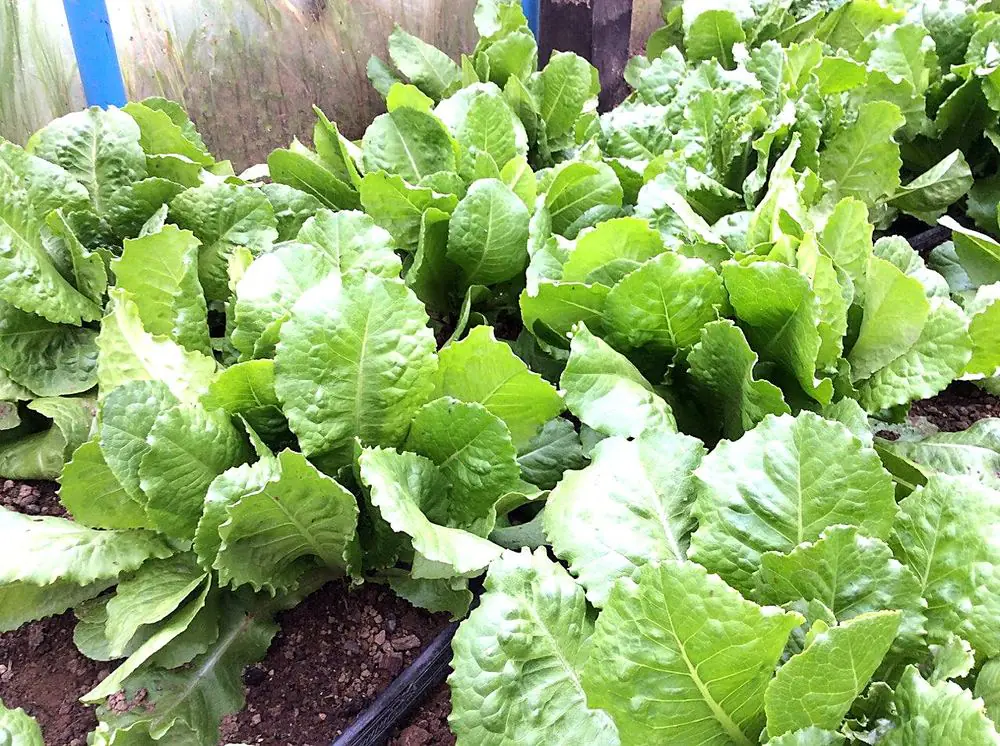
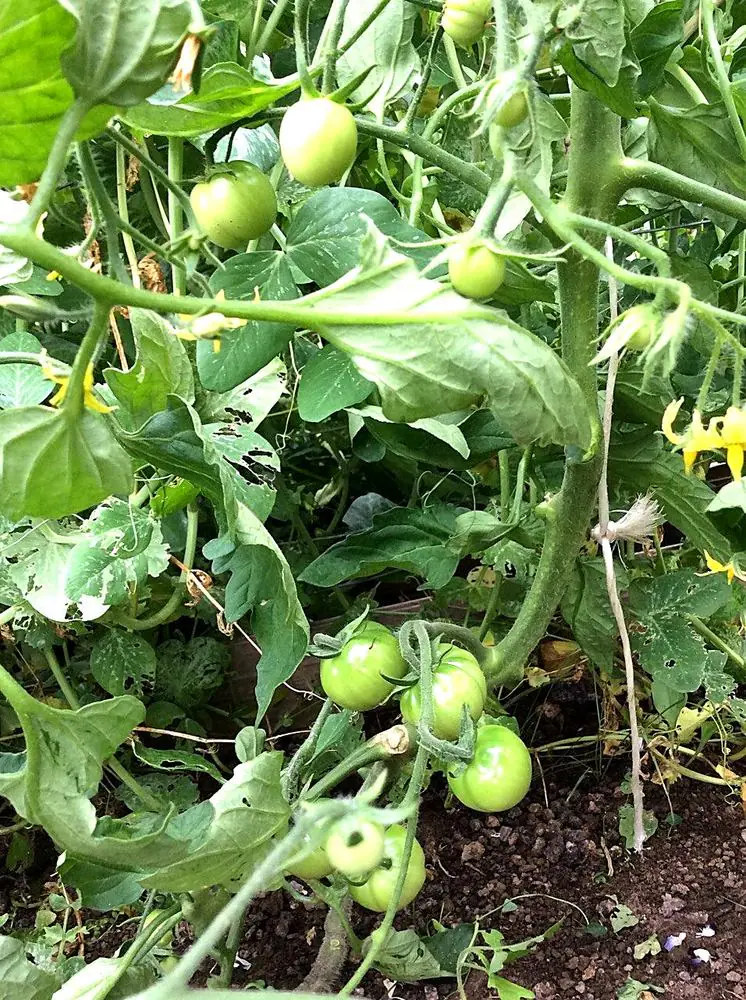
From our own greenhouses in Patagonia.
What the research shows
The same diet, at different strengths.
How strictly you need to eat depends on where you are starting. For staying well and preventing disease, a whole-food plant-based diet with whole-food fats is enough, and it is a way of eating you can keep for life. For reversing serious disease, the diet gets stricter and very low in fat for a season. There is a reason for that.
In type 2 diabetes, muscle and liver cells fill up with fat, and insulin cannot do its job. A very low-fat plant-based diet clears that fat out, so the cells respond to insulin again and blood sugar comes down. In a randomized trial of 99 people with type 2 diabetes, those eating a low-fat vegan diet lowered their HbA1c by 1.2 points in 22 weeks, three times the drop in the group following the standard diabetes diet. Forty-three percent of them reduced their diabetes medication (Barnard, Diabetes Care 2006).
Heart disease responds the same way. In the Lifestyle Heart Trial, people with blocked coronary arteries ate a low-fat vegetarian diet, walked, practiced stress management, and stopped smoking. After one year their arteries had opened measurably, while the arteries of the control group had narrowed further. Eighty-two percent of the lifestyle group showed regression, with no cholesterol drugs (Ornish, Lancet 1990). Dr. Caldwell Esselstyn later followed 198 heart patients counseled in plant-based nutrition for an average of 3.7 years. Of the 177 who kept the diet, one had a major cardiac event. Of the 21 who did not, 13 did. Twenty-seven avoided a stent or bypass they had been told they needed (Esselstyn, J Fam Pract 2014).
Over the long run, the Adventist Health Study-2 followed more than 73,000 people in North America for six years. Vegetarians had a 12% lower death rate from all causes, with the biggest differences in heart disease, kidney disease, and diabetes (Orlich, JAMA Intern Med 2013).
As your health returns, the diet loosens toward the version you will carry forward. Think of strictness as a dose: more when you are sick, less as you heal.
Nuts and seeds, every day.
One addition earns its place for nearly everyone: a handful of nuts or seeds, about a quarter cup, each day. In two large Harvard cohorts followed for 30 years, people who ate nuts daily had a 20% lower death rate than those who ate none, with fewer deaths from heart disease, cancer, and lung disease (Bao, NEJM 2013). A pooled analysis of 20 prospective studies found that a handful a day went with about a quarter less coronary heart disease and a fifth fewer deaths from any cause (Aune, BMC Medicine 2016). These are population studies, so they show an association and cannot prove cause. But the finding is consistent across countries and decades.
- Flax, chia, and hemp carry the plant omega-3 fats that support the heart and lower inflammation.
- Walnuts, almonds, and the rest are a simple daily habit with a large payoff.
Whole, brined olives are a fermented food and may carry useful bacteria to the gut. That evidence is early. They are a good whole-food fat either way.
From the medical literature
Cases doctors have written up.
Behind every trial are real people. Here are a few whose doctors wrote up what happened.
A 54-year-old woman with obesity, type 2 diabetes, and newly diagnosed heart failure, her heart ejecting 25% of its volume with each beat, changed from what she had considered a healthy Western diet to a whole-food plant-based one. She also took standard heart failure medication. Within six months she had lost about 23 kilograms, her HbA1c had fallen by 2.4 points without diabetes medication, and her ejection fraction had returned to a normal 55%. Her heart medication continued throughout, so diet was one part of her treatment.
Allen et al., Frontiers in Nutrition, 2019 · Read the reportA 61-year-old man in India was newly diagnosed with type 2 diabetes, with an HbA1c of 10.7%, high blood pressure, and abnormal cholesterol. He entered a three-month program built on a whole-food plant-based diet with daily exercise and stress reduction, without glucose-lowering medication. Four months in, his HbA1c was 5.7% and he had lost ten kilograms; by eight months it was 5.5%, which meets the definition of remission. He then passed a glucose tolerance test every year for nine years.
Sharma et al., Cureus, 2026 · Read the reportThree adults with ulcerative colitis, seen in one dietetic clinic in Greece, adopted a whole-food plant-based diet and were followed for more than two years. All three reached remission of their symptoms. Two were able to stop their medication and the third reduced it. When two of them went back to a meat-based diet their symptoms returned, and settled again once they returned to the plant-based pattern. All three were advised to take vitamin B12.
Marselou and Kassam, American Journal of Lifestyle Medicine, 2024 · Read the reportA 66-year-old man had lived with type 2 diabetes for thirty years. He entered an intensive lifestyle program built around a vegan diet, with daily exercise and psychological support. His HbA1c fell from 7.7% to 5.3%, his insulin resistance score dropped from 6.2 to 1.8, and he lost six kilograms. He remained in remission 33 months after the program ended.
Tripathi et al., Endocrinology, Diabetes & Metabolism Case Reports, 2025 · Read the reportHow I use it
Every plan is personal. We look at where you are, what you are facing, and what you can keep up, and we build from there. For some conditions I use well-established approaches:
- Heart disease and type 2 diabetes: the low-fat, whole-food, plant-based diet that Esselstyn and Ornish have shown can reverse these conditions.
- Autoimmune disease: a plant-based elimination approach, like the Paddison Program, to calm the immune system and find your triggers.
- Fasting: promising research, used only under medical supervision when serious illness is involved.
Any change in medication goes through your prescriber. As blood sugar and blood pressure fall, doses often need to come down, and that is a conversation to have early.
What is possible
When you follow this closely for a season, the results are often large enough to show you, in your own body, how much food matters. Nobody does it perfectly all the time, me included. Every step in the right direction still counts. We find the version that fits your life. If you slip, you start again.
Where This Leads
Nutrition works best alongside rest, movement, sunlight, and a calmer mind. But it is usually where we begin, because it is where the body's healing most often starts.