The Ten · Community
We were not made to heal alone.
Connection is one of the strongest health factors we have, and one that almost never shows up on a prescription. The people around you shape how long you live, how well you sleep, and how your body handles stress.
Book a Consultation →What This Is
Community means real relationships: people who know you, check on you, and show up. Family, friends, neighbors, a congregation, a group with a shared purpose. It is the plain human fact of belonging somewhere, and the body depends on it more than most of us were taught.
What the research shows
Being alone costs the body something.
Survival. In 2010 researchers at Brigham Young University pooled 148 studies covering more than 300,000 people, followed for an average of seven and a half years. Those with stronger social relationships were about 50% more likely to be alive at the end of follow-up than those with weaker ones. The effect held across age, sex, starting health, and cause of death, and it was on the same scale as the difference between smoking and not smoking (Holt-Lunstad, PLoS Medicine 2010). The same group repeated the analysis in 2015 with 70 studies and 3.4 million people, this time separating three things: feeling lonely, being isolated, and living alone. Each raised the risk of dying during the study by roughly a quarter to a third, and it made little difference whether the isolation was felt or counted (Holt-Lunstad, Perspect Psychol Sci 2015).
Heart and stroke. A British review of 23 studies and 181,000 adults found that lonely or isolated people had a 29% higher risk of developing coronary heart disease and a 32% higher risk of stroke, with no difference between men and women (Valtorta, Heart 2016). These are observational studies, so they show association. They are also large, consistent, and in line with everything else in this field.
Public health. In 2023 the U.S. Surgeon General issued a formal advisory on loneliness and isolation, placing them among health risks on the order of smoking, obesity, and inactivity. The advisory describes how disconnection reaches the body: higher stress hormones, more inflammation, worse sleep, and a harder time keeping any healthy habit. Connection works the other way on each of those (U.S. Surgeon General, 2023).
Screens. Online life gives the feeling of company without most of what company does for you. At the University of Pennsylvania, 143 students were randomly assigned to limit Facebook, Instagram, and Snapchat to ten minutes each per day, or to carry on as usual. After three weeks the limited group was measurably less lonely and less depressed, and the students who started out most depressed improved the most (Hunt, J Soc Clin Psychol 2018). It was a small study of young adults, and one of the few true experiments in this field.
How I use it
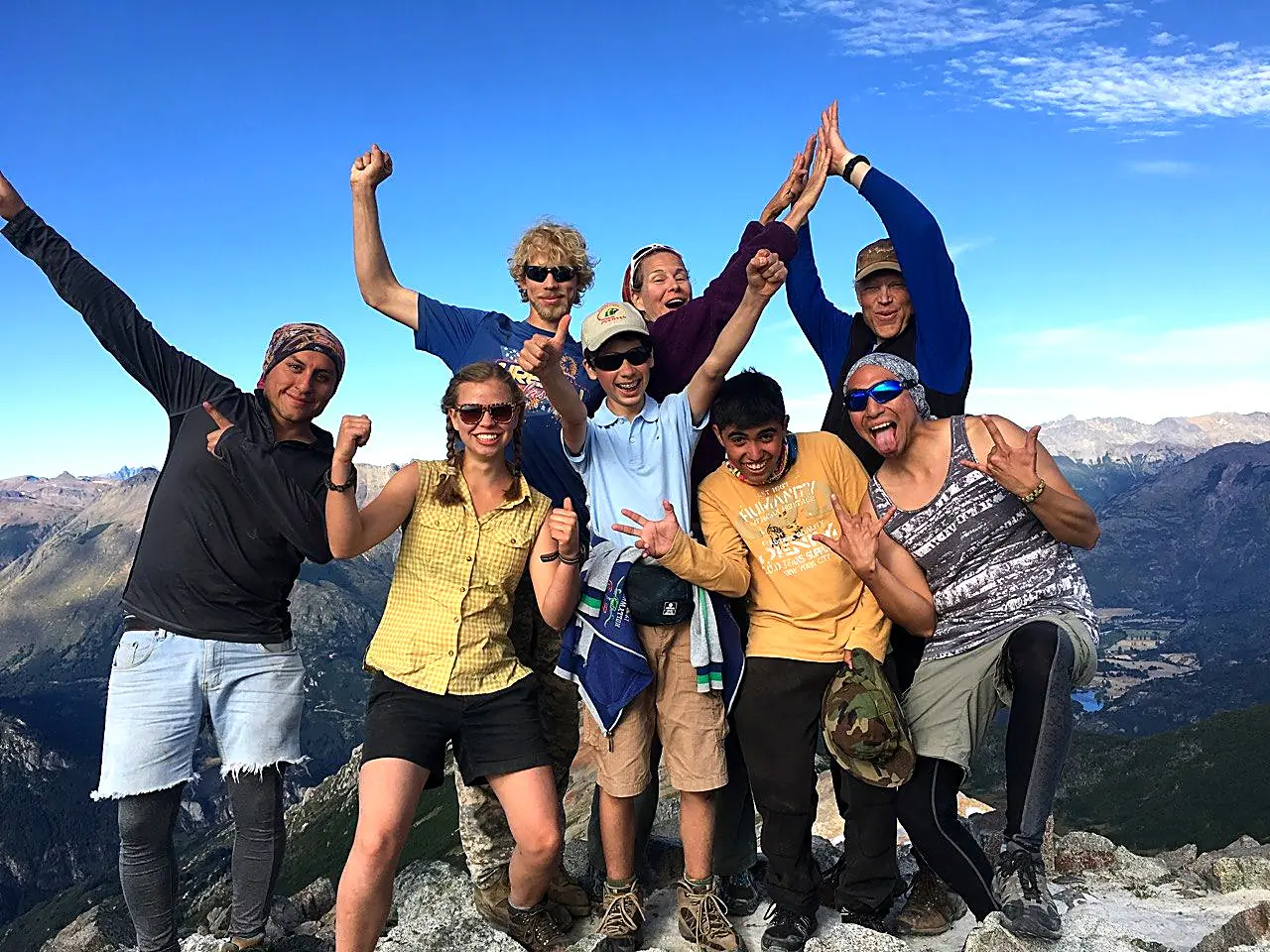
Connection looks different for everyone, so we start with your life as it is. For one person that means mending a strained relationship. For another it means finding a group, a purpose, or a congregation. For another it means answering the phone and accepting the invitation. Illness tends to narrow a life right when connection matters most, so part of the work is turning back toward people, one small step at a time.
For many, the deepest community is a spiritual one, a place of belonging and shared faith. If that is part of your life, it belongs in the plan.
What is possible
Reaching for people is hard when you are unwell or worn down, and it rarely happens all at once. One call, one invitation accepted, one group tried is enough to begin. Community is also the one remedy on this list that gives something back to the people around you while it works on you.
Where This Leads
Community makes everything else easier. It is simpler to eat well, move, and manage stress when someone is doing it with you. It pairs closely with Stress Management and Trust in God.